Author: admin

  • Lot Clearing and Grading in South Florida: What to Get Right

    Lot Clearing and Grading in South Florida: What to Get Right

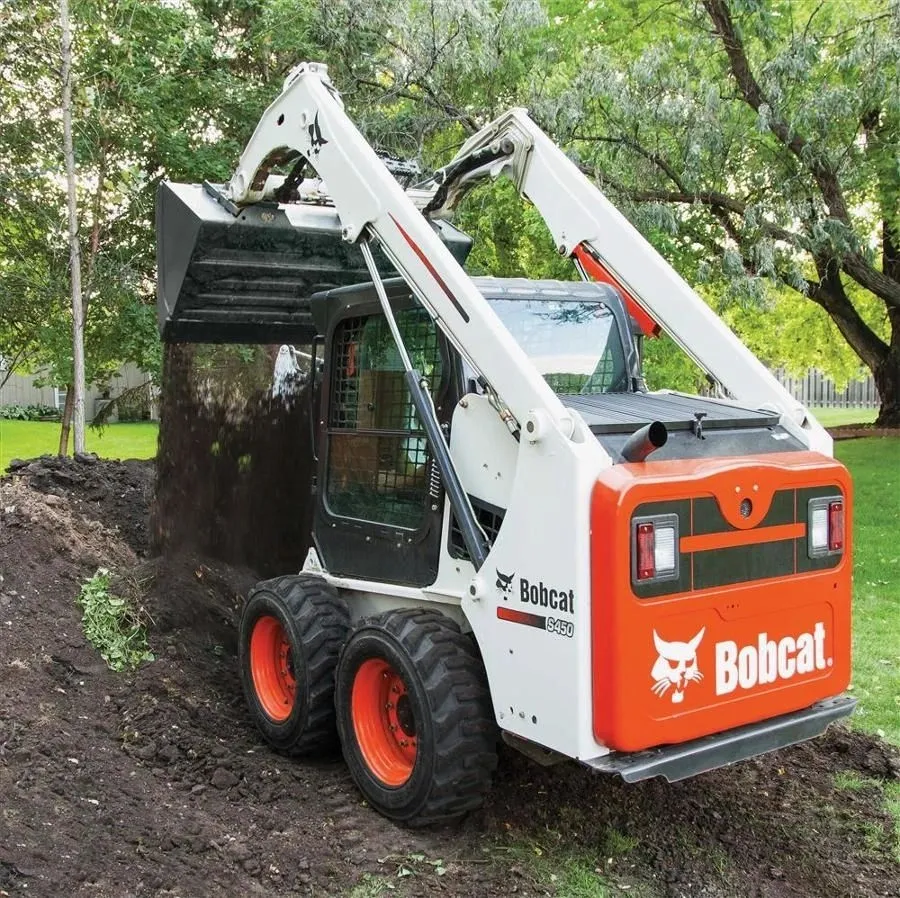
    Most people call about a bobcat because something needs to be flattened. What they usually need is for water to end up somewhere sensible, which is a related but different problem, and it is the one that decides whether the job was worth doing.

    South Florida is flat, the water table is high, and the rain arrives in volume rather than over an afternoon. Ground that is merely level is not the goal. Ground that drains is.

    Clearing and Grubbing Are Two Steps

    Clearing removes what is above the surface — brush, undergrowth, small trees, accumulated debris and whatever has been dumped over the years. It is quick and it makes an enormous visual difference, which is why people sometimes stop there.

    Grubbing takes out what is below it: root systems, stumps and buried material. On a lot that is about to be sodded, paved or built on, skipping it causes problems later. Roots and buried wood decay, the ground above them settles, and you get depressions in a new lawn or cracking in a new slab a year after everything looked finished.

    If a quote seems low for a heavily overgrown lot, this is usually the difference. Ask which one is included.

    Grading Is About Where the Water Goes

    The default rule is straightforward: the ground should fall away from structures, consistently, for the first several feet. Water that sits against a foundation or a slab edge finds its way in eventually, and in our climate it does not need long.

    Beyond that, the water has to have somewhere to go once it has left the building — a swale, a drain, a low point that can hold it, or a route to the street. Regrading a yard so that it slopes beautifully away from the house and straight into a corner with no outlet simply moves the puddle.

    Two things are worth saying plainly. Water pushed onto a neighboring property is a dispute waiting to happen, and in many South Florida communities it is also a code matter. And on a lot with a canal or drainage easement at the back, that easement generally has to stay clear and accessible — it is not spare land to grade over, and blocking it becomes a problem for more people than you.

    Fill Dirt Is Not All the Same

    "Bring in some dirt" hides a real decision.

    • Clean fill is what you want under anything structural. It compacts, it stays put, and it does not decompose.
    • Topsoil is for growing things. It goes on top, at the end, in the depth the planting needs.
    • Organic or muck soil is the one to be careful about. It is common in parts of South Florida, it holds water, and it keeps settling as the organic content breaks down. Building or paving over it without addressing it produces exactly the sinking and cracking people assume was bad concrete.

    Fill also has to be placed in layers and compacted as it goes. A deep layer dumped in one pass and rolled over on top looks finished and is not.

    Access Decides the Machine

    The most common surprise on a residential lot is that the equipment cannot reach the work.

    A standard skid steer needs roughly four feet of gate opening. Beyond width, the things that stop a job are overhead lines and low branches on the approach, soft ground that will not carry the machine, and driveways or paver aprons that the owner would prefer not to have tracked over repeatedly with a loaded bucket.

    None of these are insurmountable, but they change the equipment, the time and the price. They are also the reason a quote given over the phone from a description is worth less than one given after somebody has looked at the approach.

    Know What Is Underground First

    Everything expensive on a grading job is buried. Irrigation mains and low-voltage lighting run everywhere on established properties. Septic tanks and drain fields are easy to damage and unpleasant to repair. Utility services are sometimes shallower than anyone expects.

    Locates are free in Florida through Sunshine 811 — dial 811 — and should be requested before machinery breaks ground. Worth repeating from experience: 811 marks utilities, not the sprinkler system a previous owner installed, so mark that yourself or accept that some of it will be found the hard way.

    Trees You Are Keeping Need a Boundary

    The quiet damage on clearing jobs is done to the trees left standing. Driving a loaded machine repeatedly over a root zone compacts the soil, and compacted soil does not hold the air and water roots need. The tree does not die that month. It declines over two or three years and nobody connects it to the work.

    If specimen trees are staying, keep traffic off the ground beneath the canopy, and route the machine around it. Where roots have to be cut, cutting them cleanly matters more than people assume. Anything scheduled for removal should come out properly, with the stump ground out rather than buried on site.

    Permits and the Trees You Cannot Just Remove

    Requirements differ across Miami-Dade, Broward and Palm Beach and between municipalities within them, but the general shape is consistent: removing established trees frequently requires a permit, some species and sizes are protected, and replacement planting is sometimes a condition of approval. Fill and grading work can carry its own requirements, particularly where drainage is affected.

    This is worth checking before the machine arrives rather than after. A cleared lot is difficult to un-clear.

    Timing Around the Wet Season

    Grading is easier and cleaner on dry ground. From roughly May through October, saturated soil makes compaction unreliable, machines rut ground that would otherwise carry them, and a finished grade can move before anything is planted on it.

    Wet season work is entirely possible — it just wants a little more scheduling flexibility around the rain.

    Before You Book

    The single most useful thing you can tell a contractor is what the ground is for. Sod, pavers, a slab, a pool, a driveway and a garden bed all want different finished levels and different preparation, and it is far cheaper to grade once for the right purpose than to come back and adjust.

    Marciano Landscaping provides bobcat and skid steer services — lot clearing, grading, fill spreading and demolition cleanup — plus tree work and commercial site maintenance across Miami-Dade, Broward and Palm Beach County. Call (786) 560-1827 and tell us what the finished ground needs to do.
  • Stump Grinding After Tree Removal: What to Know in South Florida

    Stump Grinding After Tree Removal: What to Know in South Florida

    Tree removal and stump removal are two different jobs, and plenty of people find that out after the crew has left. The tree comes down, the debris goes away, and what remains is a flat-topped stump sitting in the middle of the yard that nobody mentioned.

    Whether that stump needs to come out depends less on how it looks than on what is going to happen in that spot, and on what the stump is going to do if you leave it.

    A Stump Is Not Just Cosmetic in South Florida

    In a cooler, drier climate a stump sits there for years doing very little. Here it decays fast, stays damp, and becomes a food source close to the ground.

    The concern people raise most often is termites. To be precise about it: a decaying stump does not create a termite problem out of nothing, but it is a well-recognized conducive condition — a source of soft, moist wood sitting in soil, often within a few feet of a structure. Pest control inspectors flag them for exactly that reason, and if the stump is near a foundation, a deck or a fence line, that is the argument for taking it out.

    The rest of the case is more ordinary. Stumps and surface roots are a genuine trip hazard on a lawn, they damage mower blades, they hold standing water in the hollow that forms as they rot, and they make good habitat for rodents and wasps.

    Grinding or Full Removal

    There are two ways to get rid of a stump, and they are not priced or executed alike.

    Grinding uses a rotating cutting wheel to reduce the stump and the top of the root flare to chips, below the level of the soil. It is fast, it is contained, and it leaves the surrounding lawn largely intact. It is what the great majority of properties need.

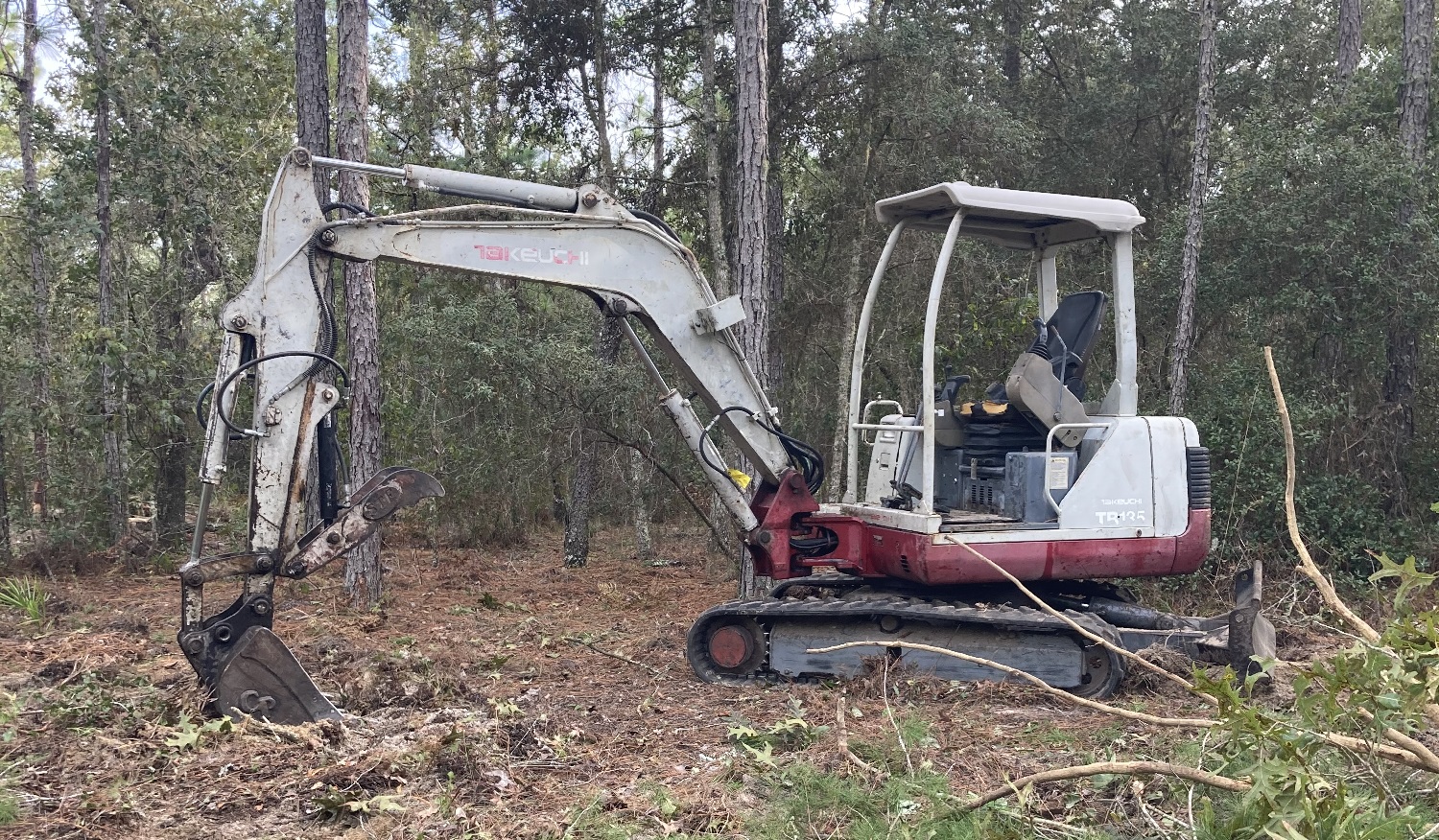
    Full excavation means digging the stump and its major root system out of the ground, usually with a machine. It is slower, it costs more, it leaves a substantial hole, and it tears up whatever is around it. It is the right call when the ground is about to be built on, when a large root plate is in the way of construction or a pool, or when the site is being cleared entirely — in which case it usually happens as part of the lot clearing and grading rather than as a separate stump job — see lot clearing and grading for how that work is planned.

    If the answer is sod, mulch or a garden bed, grinding is almost always enough.

    How Deep Is Deep Enough Depends on What Comes Next

    People ask for a depth in inches. The more useful question is what is going in that spot.

    • Sod or lawn — grinding below grade with enough depth for topsoil over it is fine
    • A new plant or tree — needs to go deeper, and the spot needs preparing rather than just filling
    • Concrete, pavers or a slab — deeper again, because decaying wood under a hard surface means settlement and cracking later
    • Nothing in particular — standard depth, topped with soil and seeded or sodded

    Tell the contractor the plan for the area before the work is quoted. Regrinding a stump because the first pass was not deep enough for a slab is an avoidable second visit.

    The Species That Come Back

    Grinding removes the stump. It does not, on its own, kill an aggressive root system, and South Florida has several species that will push new shoots from the remaining roots and be back within a season.

    Ficus is the one people meet most often, and it is persistent. Brazilian pepper, schefflera and carrotwood behave similarly. With these, the job is not finished when the grinder stops — the root system needs treating, or you are cutting suckers out of the lawn for the next two years.

    If you are removing one of these, raise it before the work starts rather than after the sprouts appear.

    What Is Underneath Matters

    The hazards on a stump job are almost all below ground and invisible. Irrigation lines and sprinkler heads run close to mature trees more often than not. So do low-voltage lighting cables, and on plenty of South Florida properties the utility service runs shallower than anyone expects.

    In Florida, locates are free and are requested through Sunshine 811 — dial 811 — and they should be called in before machinery goes into the ground near a service. A responsible contractor will raise this before quoting. Marking your own irrigation is worth doing too, since 811 covers utilities, not the sprinkler system somebody installed years ago.

    You Are Left With Chips and a Hole

    Grinding produces a surprising volume of material — considerably more than the stump appeared to contain, because the chips are loose. Two decisions follow.

    The chips can stay as mulch or be hauled away. As mulch they are perfectly usable on beds and around trees, though they are coarse and they will settle noticeably.

    Whatever is backfilled into the hole will also settle. Chips alone will sink over the following months and leave a depression, which is why the hole should be topped with soil rather than filled with grindings if you want a level lawn. It is normal to need to add more soil once, a few weeks later.

    Replanting in the Same Spot

    The instinct after removing a tree is to put a new one in the same place. It is worth waiting.

    Ground full of fresh wood chips is a poor rooting environment. As the chips break down, soil microbes draw on available nitrogen to do it, and the new plant competes for what is left — which is why replacements planted straight into a ground stump so often sit there looking yellow and stalled.

    If you want a tree in that exact spot, the better approach is to grind deeper, remove the chips rather than backfilling with them, and bring in soil. If the location can shift a few feet, shifting it is easier than any of that.

    Timing After the Tree Comes Down

    Fresh stumps grind more easily than old, dried, hardened ones, so doing both in one visit is usually the efficient option and avoids paying twice to bring equipment out.

    Marciano Landscaping provides stump grinding and removal alongside tree trimming and removal across Miami-Dade, Broward and Palm Beach County. Call (786) 560-1827 and tell us what is going in that spot.

  • What to Do After a Storm: Tree Cleanup in South Florida

    What to Do After a Storm: Tree Cleanup in South Florida

    The day after a storm is the worst time to make decisions and the most common time to make them. Crews are knocking on doors, neighbors are comparing quotes across fences, and the tree across the driveway is the only thing anyone can think about.

    Most of the expensive mistakes people make after a South Florida storm happen in that first forty-eight hours. Here is a working order for what to do, what to leave alone, and what to be careful of.

    First: Assume Every Downed Line Is Live

    Nothing on a property is worth approaching a downed conductor for. Power lines do not have to arc or spark to be energized, and a limb resting on a line will carry current into whatever it is touching, including a fence or a wet lawn.

    Report it to the utility and stay clear. No tree company should be cutting anything in contact with a service line before the utility has cleared it — if one offers, that tells you what you need to know about them.

    Photograph Everything Before You Move It

    This is the step people skip, and it is the one that costs the most.

    Before any cutting or dragging, take photographs from several angles: the tree or limb where it fell, what it landed on, and the wider context showing the property. Include something for scale. If a limb went through a screen enclosure or a roof, photograph it in place, then again from inside if it is safe to do so.

    Once a crew has cut and hauled, the evidence is gone. Policies and claim requirements vary, and what your insurer will and will not cover is a question for your insurer — but no policy is helped by an undocumented pile of mulch. Keep receipts and written scopes of work for the same reason.

    Triage: Urgent, Soon, and Later

    Urgent — anything blocking access to the property, anything resting on a structure, and anything still suspended in a canopy. A limb caught in the branches above a walkway is the most dangerous thing on most properties after a storm, and it is the least likely to be noticed.

    Soon — leaning trees with lifted root plates, split trunks, large tears where limbs pulled away, and blocked canals or drainage easements. None of these are emergencies on a clear day, but the next rain changes that.

    Later — general debris, cosmetic damage, replanting, and the structural pruning that will keep the same limbs from failing next season.

    The Hangers Are the Real Hazard

    Once the wind stops, attention goes to what is on the ground. The material that injures people is usually still overhead.

    Broken limbs lodged in a canopy can sit for weeks and come down without warning, often on a still day. They are difficult to spot from directly underneath, which is exactly where people stand to look. Walk the property from a distance and look up into the canopies against the sky. If you see anything broken, hanging, or resting at an angle it should not be, keep people out from under it until it is removed.

    A Leaning Tree Is Not Automatically a Dead Tree

    Trees that lean after a storm fall into two groups. If the root plate has lifted — if you can see soil heaved on one side, or the trunk moves when the wind picks up — the anchorage is compromised and the tree usually has to come out — along with the stump it leaves behind.

    A tree that is simply leaning, with the root plate intact and no cracking at the base, can often be assessed and kept. Palms in particular will straighten on their own over months.

    The mistake is deciding either way in the first two days. Unless it is threatening a structure, a leaning tree can usually wait for a proper look.

    Debris and Municipal Pickup

    Most South Florida municipalities run storm debris collection after a declared event, with rules about separation and placement that differ by city and change from storm to storm. Vegetative debris generally has to be kept apart from construction material and household items, and piles cannot block sidewalks, drains or hydrants.

    Two practical points. Storm debris pickup can take weeks in a bad season, so a pile at the curb is a long-term feature rather than a temporary one. And material stacked near a storm drain will find its way into it, which turns a yard problem into a flooding problem for the street.

    If you need it gone rather than collected, it has to be cut, chipped and hauled.

    Canals and Drainage Come First on Commercial Sites

    For HOAs and commercial properties, the priority order is different from a residential lot. Blocked channels and clogged drainage easements affect every resident, not one, and they are what turns the next rainfall into standing water and complaints.

    Clearing storm material out of canals and waterways usually matters more in the first week than tidying the common areas, even though the common areas are what people see.

    Be Careful Who You Hire

    Storms bring crews into South Florida from out of the area, and the pattern is consistent: door-to-door solicitation, cash up front, no written scope, no local address, and a truck with no lettering or lettering that does not match the paperwork.

    Before anyone cuts anything, confirm the basics. Ask for the license and proof of liability insurance, and ask for a certificate naming you. Get the scope in writing, including whether hauling is included. Do not pay in full in advance. If a crew is pressuring you to sign immediately because they are "in the neighborhood today," that pressure is the product.

    An uninsured crew injured on your property becomes your problem, and that is a far larger exposure than the tree.

    Then Deal With Next Season

    Once the urgent work is done, the useful question is which trees failed and why. Storms are an unusually honest assessment of a property — the limbs that came down are generally the ones that were already dead, poorly attached, or carrying too much sail. Addressing that in the winter is what makes the next storm quieter — see when to trim trees before hurricane season for the timing.

    Marciano Landscaping provides storm response, tree trimming and removal, stump grinding and debris hauling across Miami-Dade, Broward and Palm Beach County. Call (786) 560-1827.

  • What HOAs Should Budget for Canal Maintenance in South Florida

    What HOAs Should Budget for Canal Maintenance in South Florida

    Canal and lake banks are the line item that HOA boards in South Florida underestimate most consistently. The work is invisible when it is being done properly and extremely visible when it is not — usually at the worst possible moment, which is the first heavy rain after a season of deferral.

    Here is what waterway maintenance actually involves in Miami-Dade, Broward and Palm Beach, what drives the cost, and why the deferred version is more expensive than the scheduled one.

    What the Work Covers

    Canal maintenance is not one task. On a typical community it includes:

    • Bank clearing and trimming — keeping the slope accessible and free of encroaching growth
    • Invasive vegetation removal — Brazilian pepper, melaleuca and Australian pine in particular
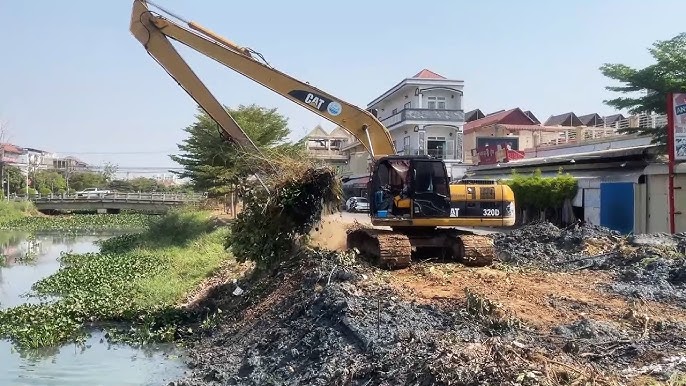
    • Mid-channel harvesting — removing floating and rooted aquatic growth that restricts flow
    • Debris removal — storm material, dumped items, fallen limbs
    • Hauling — everything cut has to leave the property

    The last point is where quotes diverge most. A price that looks low is often a price that leaves the cut material on the bank, which means it washes back into the channel with the next storm.

    Two to Four Visits a Year, Not One

    Subtropical growth rates are the reason annual service does not hold here. Vegetation that would take three years to become a problem further north does it in one wet season.

    Most communities need service two to four times a year. Quarterly is the pattern that works for the majority — enough to stay ahead of growth, spaced so that each visit is routine rather than a recovery job.

    Communities that move to annual service to save money almost always end up paying more per visit, because each visit becomes a clearing project instead of maintenance.

    The Invasives Problem Is Specific to Us

    Brazilian pepper, melaleuca and Australian pine are all listed invasives in Florida, and all three colonize canal banks aggressively. They matter for practical reasons beyond the regulatory ones:

    • They establish faster than anything native and shade out bank stabilizing growth
    • Australian pine is brittle and drops large limbs into the channel during storms
    • Melaleuca spreads readily after disturbance, so a partial job makes the problem worse
    • Root systems undermine bank structure over time, which turns a vegetation issue into an erosion issue

    Removal has to be thorough to be worth doing. Cutting the visible growth and leaving the root systems produces denser regrowth within a season.

    What Drives the Price

    When boards compare bids and the numbers are far apart, the difference is usually one of these:

    • Linear footage of bank — the primary driver
    • Access — whether equipment can reach the bank, or whether the work has to be done by hand from a narrow easement
    • Slope and condition — steep or eroded banks are slower and require more care
    • How long since the last service — a first visit on a neglected canal is a clearing job, not a maintenance visit, and should be priced separately
    • Whether hauling is included — the item most often left out of a low bid
    • Aquatic work — mid-channel harvesting is a separate operation from bank work

    A useful question when comparing proposals is simply whether the first visit is priced the same as subsequent ones. If it is, the contractor may not have looked at the site.

    Budgeting It Properly

    Two things make waterway maintenance easier to defend at budget time.

    The first is separating restoration from maintenance. If a community has deferred for several years, the catch-up work is a capital item — a one-off cost to bring the banks back to a maintainable condition. The recurring line item after that is much smaller, and presenting them as one number makes the ongoing cost look far worse than it is.

    The second is scheduling around the wet season. Growth accelerates from roughly May through October. A community on quarterly service benefits from having visits fall before and after that stretch rather than at arbitrary intervals.

    What Deferral Actually Costs

    Restricted channels do not drain at capacity, and in South Florida the consequence of a channel that does not drain is water where residents can see it. Beyond flooding, deferred banks bring erosion that eventually requires regrading, resident complaints that arrive faster than board meetings, and in some communities obligations to the local drainage or water control district that are easier to meet continuously than retroactively.

    None of those are dramatic in any single quarter. They compound.

    Working With a Contractor

    For HOAs and property managers, the things worth confirming before signing are straightforward: that the contractor is licensed and insured, that a certificate of insurance is available for your files, that hauling is included in writing, and that someone will walk the site before quoting rather than pricing from a map.

    Marciano Landscaping provides canal cleaning and waterway maintenance and scheduled commercial and HOA grounds maintenance across Miami-Dade, Broward and Palm Beach County. Call (786) 560-1827 to arrange a site visit and a written proposal.

  • Palm Tree Trimming in South Florida: How Often, and How Much to Cut

    Palm Tree Trimming in South Florida: How Often, and How Much to Cut

    Palms are the most commonly mistreated plants in South Florida landscaping. They are also the most visible — a badly cut palm stays badly cut for years, because unlike a shade tree it cannot grow new branches to cover the damage.

    Here is how often palms actually need attention, how much should come off, and why the most popular cut in Florida is the one to avoid.

    Once a Year Is Usually Enough

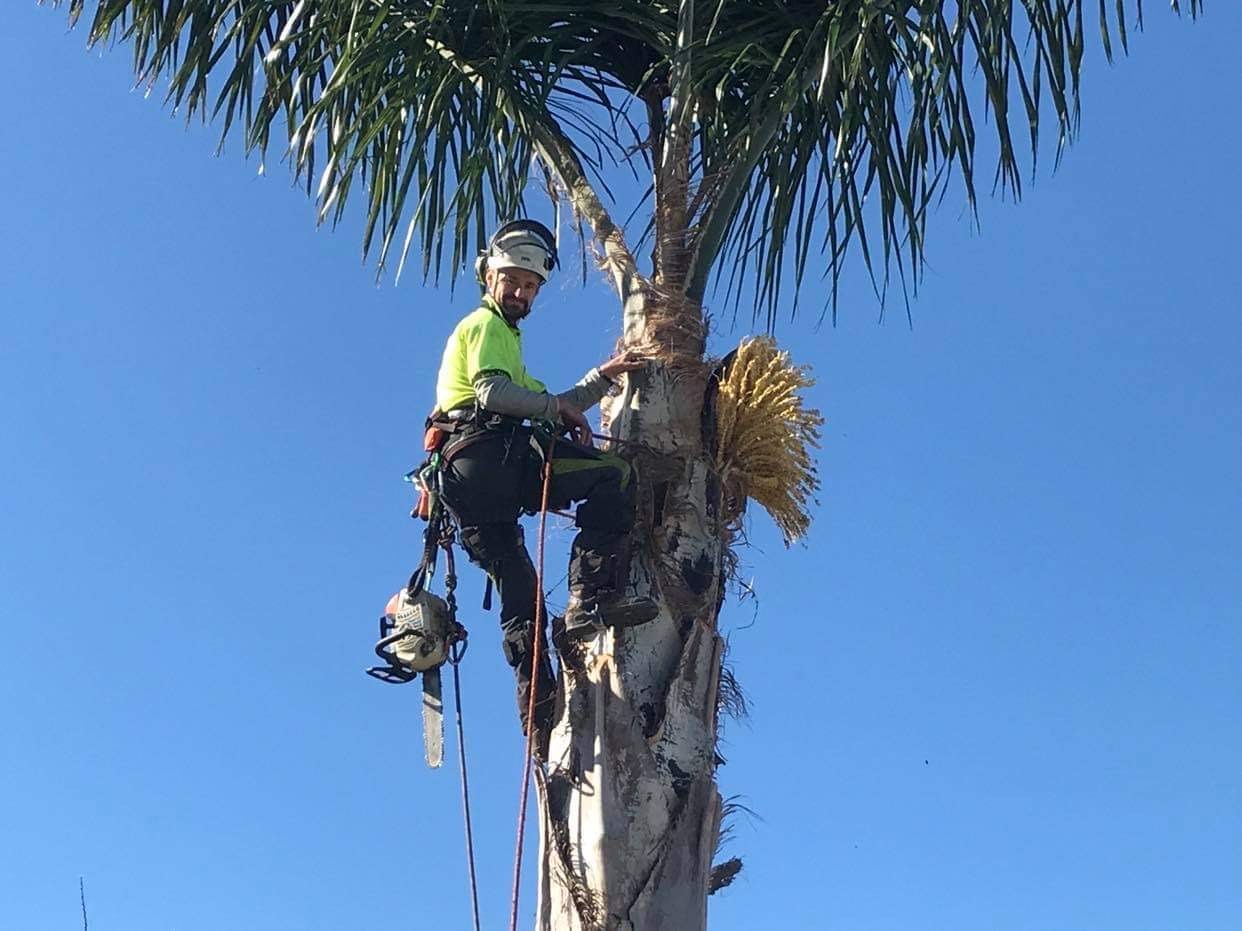
    Most palms in a residential setting need cleaning once a year. Some, like coconut palms carrying heavy fruit, do better on a twice-yearly schedule — not because the fronds need it, but because the pods do.

    The trigger for trimming is not the calendar. It is whether the palm is carrying material that is dead, dying, or dangerous:

    • Fronds that have gone fully brown and are hanging down against the trunk
    • Seed pods and fruit, particularly coconuts over a driveway, walkway or parking area
    • Old flower stalks
    • Loose boots on species that hold them

    If none of that is present, the palm does not need cutting. A palm with a full green crown and nothing dead in it is a healthy palm, not a neglected one.

    The Hurricane Cut Is Not Hurricane Preparation

    The most requested palm trim in South Florida goes by several names — hurricane cut, pineapple cut, or simply "taking it way back." It means stripping the crown down to a handful of upright fronds, leaving the palm looking like a feather duster.

    It does not reduce storm damage. Palms survive wind through flexibility, and the trunk is what has to hold. What the cut does do is remove the palm's working leaf area, which is where it makes the energy it needs to push out new growth.

    The consequences show up over the following year or two:

    • Narrowed, weakened new growth at the top of the trunk, sometimes called pencil-pointing
    • Slower recovery and thinner crowns each cycle
    • Greater vulnerability to nutrient deficiency, which is already common in our soils
    • Open wounds higher up the trunk that invite pests and disease

    A palm that has been over-cut repeatedly will eventually fail at the crown, and at that point the only option is removal.

    The Rule of Thumb: Nothing Above Horizontal

    The standard guidance among arborists is straightforward. Picture a clock face with the trunk at the center. Remove fronds hanging below the nine-and-three line — the ones that are dead, dying or drooping. Leave everything above it.

    Green fronds growing upward and outward are doing work for the palm. Cutting them buys nothing and costs the palm real energy. If a crew is removing healthy green fronds from the upper crown, they are damaging the plant, whatever the job is called on the invoice.

    Species Behave Differently

    Coconut palms are the ones that most often need a second visit. The nuts are heavy, they fall without warning, and they cause more property damage in South Florida than the fronds do. If a coconut palm overhangs anything you care about, keeping the pods cleared matters more than the fronds.

    Royal palms largely maintain themselves. Their fronds are enormous and detach cleanly on their own, which is precisely the problem — a royal palm frond can weigh a great deal and falls without warning. The work is timing the removal rather than shaping the crown.

    Queen palms shed constantly and produce heavy fruit clusters that stain driveways and attract pests. They tend to need attention more often than owners expect.

    Sabal palms, the Florida state tree, can be left with their boots or cleaned to a smooth trunk. That is an aesthetic decision, not a health one.

    Why Dead Fronds Are a Fire Risk Too

    Storm damage gets the attention, but a skirt of dry brown fronds against a trunk is also fuel, and it sits directly against a structure in a lot of South Florida landscaping. In dry stretches, palms close to buildings, fences and pool enclosures are worth clearing for that reason alone.

    Dead fronds also make good habitat for rats and wasps, which is usually the argument that convinces people faster than either fire or wind.

    What Good Palm Work Looks Like

    A properly trimmed palm should look almost untouched from across the street. The crown is full, the trunk is clean, there is nothing brown hanging, and there are no pods where they can fall on anything. Cuts are made close to the trunk without gouging it, and climbing spikes are not used on a palm that is going to stay in the ground — the puncture wounds do not heal.

    All material should leave with the crew. Fronds and pods left in a pile are a hazard of their own.

    Booking Palm Work

    The best time for palm cleaning in South Florida is spring, before the season. Coconut pod clearing is worth doing whenever the fruit is heavy, regardless of the month.

    Marciano Landscaping handles palm trimming, frond and pod removal, and full tree trimming and removal across Miami-Dade, Broward and Palm Beach County. Call (786) 560-1827 for a price on your property.

  • When to Trim Trees Before Hurricane Season in South Florida

    When to Trim Trees Before Hurricane Season in South Florida

    Hurricane season runs from June 1 to November 30, and the busiest stretch for South Florida falls between mid-August and late October. If you are reading this in the middle of that window and your trees have not been touched since last year, you are not too late — but the work you do now is different from the work you would have done in May.

    Here is how tree trimming actually reduces storm risk, when it should happen, and what to do if a storm is already being tracked.

    The Goal Is Wind Passing Through, Not a Shorter Tree

    The most common misunderstanding about storm trimming is that a smaller tree is a safer tree. It is not. What makes a tree dangerous in high wind is a dense, sail-like canopy that catches wind instead of letting it through, combined with dead or weakly attached limbs that break away.

    Proper hurricane preparation thins the canopy so air moves through it. A correctly thinned tree looks largely the same from the street — same height, same shape — but light reaches the ground through it and the branch structure is visibly cleaner.

    Why Topping Makes Trees More Dangerous

    Every year in South Florida, crews go door to door before a storm offering to cut trees down to stubs. This practice, called topping or hat-racking, is one of the worst things you can do to a mature tree.

    Cutting a tree back to bare limbs forces it to push out fast, weak regrowth from the cut points. Those new shoots are attached to the outside of the old wood rather than anchored in it. Within two or three seasons you have a tree that is denser than before and covered in branches that snap off easily — the exact opposite of what you wanted. Many South Florida municipalities also restrict or prohibit the practice, and it can reduce the value of a mature specimen permanently.

    If a company quotes you a very low price to "cut it way back before the storm," that is usually what you are buying.

    The Trees That Cause the Most Damage Here

    Not every tree presents the same risk. In Miami-Dade, Broward and Palm Beach, the recurring problems are:

    • Ficus — fast growing, heavy, shallow rooted, and prone to going over whole in saturated soil.
    • Black olive and mahogany — dense canopies that catch wind badly when they have not been thinned.
    • Australian pine and melaleuca — brittle invasives that shed large limbs and often sit along canal banks and property lines.
    • Coconut and royal palms — the trunk usually survives, but dead fronds and seed pods become projectiles.
    • Anything leaning over a roof, pool cage or seawall — regardless of species, that is where damage gets expensive.

    The Right Timing

    The ideal window for storm preparation is late winter through May, before the season opens. Trees have time to seal their cuts and settle before the first serious wind, and crews are not booked solid.

    Mid-season trimming is still worthwhile, particularly for removing deadwood, clearing limbs off structures and taking down obviously compromised trees. What we avoid in August and September is heavy structural pruning — a tree that has just had a large amount of live growth removed is stressed, and stress is not what you want going into a storm.

    The one thing that is always worth doing, at any point in the season, is removing what is already dead. Deadwood does not become safer by waiting.

    When a Storm Is Already Being Tracked

    Once a named system is in the forecast cone, the calculation changes. Crews book out within a day or two, and debris left at the curb becomes a hazard in itself — municipal pickup stops well before landfall, and loose piles turn into airborne material.

    At that stage, focus on what can be done and cleared quickly: dead fronds, hanging limbs, anything already broken, and loose yard material. Save the larger structural work for after the season.

    Palms Need Different Attention

    Palms handle wind better than most broadleaf trees, and a healthy palm will usually bend and recover. The hazard is what it is carrying. Dead fronds and heavy seed pods come loose at speed, and coconuts in particular do real damage to windows, screens and vehicles.

    Cleaning a palm before the season is quick work. Over-stripping it is not helpful — removing green fronds weakens the palm and offers no storm benefit. Take the dead material and the pods, leave the living crown alone.

    After the Storm

    Post-storm work is its own job, and we have covered it separately in what to do after a storm: downed trees across driveways and fences, hangers left in canopies, blocked canals and drainage easements, and debris that has to be cut, chipped and hauled. Document damage with photographs before anything is moved if you intend to file an insurance claim.

    We handle storm response across Miami-Dade, Broward and Palm Beach County, including commercial properties and HOAs that need multiple sites cleared quickly.

    Book Before the Season, Not During It

    The properties that come through storms well are almost always the ones trimmed on a schedule rather than in a panic. If your trees have not been assessed this year, it is worth having someone look at them now — even if the recommendation is to wait until winter for the heavy work.

    Marciano Landscaping provides tree trimming and removal throughout South Florida. Call (786) 560-1827 for an assessment.

  • How Marciano Landscaping Built a Brand That Gets Noticed Before You Ring the Doorbell

    How Marciano Landscaping Built a Brand That Gets Noticed Before You Ring the Doorbell

    In the landscaping industry, the work usually sells itself — after you’ve already won the job. The real challenge is getting noticed before that first call ever comes in. For Marciano Landscaping, building a professional brand identity from the ground up turned out to be one of the highest-return investments the company ever made.

    This is the story of how a local landscaping crew transformed from an unknown operation into a recognizable, trusted name across South Florida — and the role that consistent, professional branding played in getting them there.

    Starting Out: Good Work, No Visibility

    When Marciano Landscaping was in its early years, the team had the skills, the equipment, and the work ethic. What they didn’t have was a brand that communicated any of that to strangers.

    The trucks were plain. The business cards were generic — the kind printed at a pharmacy kiosk with a stock design and a clip-art tree. There were no yard signs at active job sites, no door hangers for prospecting new neighborhoods, and no cohesive look that would make a potential customer feel like they were hiring a real company rather than a guy with a mower.

    “We were doing good work, but nobody knew who we were,” said the owner. “A customer would see us spending four hours transforming their neighbor’s yard, and they had no idea how to find us. There was nothing on the truck, no sign in the yard. The job itself was marketing us zero.”

    That had to change.

    Building a Brand from Scratch

    The decision to invest in professional branding started with a simple question: what do customers see before they ever call you? For a landscaping company, the answer is almost always: your trucks, your job sites, and whatever printed material you hand them.

    Marciano Landscaping partnered with Graphink Printing and Promotions, a Miami-based full-service print and graphics company, to build out the company’s complete visual identity. Graphink handled everything from the vehicle graphics to the printed collateral — creating a unified look that would follow the crew to every job.

    The project included:

    • Vehicle graphics for the company trucks — bold lettering with the Marciano Landscaping name, logo, phone number, and service area displayed prominently on both sides and the rear
    • Corrugated yard signs placed at every active job site, turning each completed property into a passive lead generator for the surrounding neighborhood
    • Door hangers for targeted neighborhood drops after completing a job — a proven tactic for converting neighbors who just watched your crew do excellent work two doors down
    • Business cards and estimate folders for client meetings, giving every consultation a professional, memorable close

    Graphink’s team worked closely with Marciano Landscaping on the design direction — earthy greens and deep blacks with clean, readable typography that felt established and trustworthy rather than generic. The same color palette and logo treatment carried across every print piece, so every touchpoint reinforced the same brand.

    What Changed When the Trucks Hit the Road

    The difference was immediate and measurable. Within weeks of rolling out the new vehicle graphics and job-site yard signs, the phone started ringing differently.

    “We’d finish a job and leave a yard sign, and by the next morning we’d get a call from someone on the same street,” the owner recalled. “That had almost never happened before. People didn’t know who to call — they do now.”

    Several things shifted in concrete ways:

    • New customers began citing the truck or yard sign as how they found the company — a referral channel that had been completely invisible before
    • Estimate close rates improved because arriving in a branded truck with professional printed materials signaled legitimacy before the conversation even started
    • Referrals from existing customers increased — it’s easier to recommend a business when you can say “they have green and black trucks, you’ve probably seen them around”
    • Commercial property managers, who expect contractors to look professional, became easier to win over in a first meeting

    The yard sign program alone generated enough new jobs in targeted neighborhoods to pay for the entire branding investment within the first season.

    Why Branding Hits Differently for Local Service Businesses

    National brands can spend millions building recognition over years. A local landscaping company doesn’t have that runway — but they have something national brands don’t: they’re already in the neighborhoods where their customers live, every single day.

    A wrapped truck driving through a residential neighborhood generates thousands of local impressions per day. A yard sign sits in front of a freshly maintained property and tells every passing car and pedestrian exactly who did the work. A door hanger in a neighbor’s hand connects the visual memory of watching a crew work to a direct call to action.

    None of that works without a consistent, professional brand. A plain white truck and a homemade sign waste every one of those impressions. A sharp, professional look converts them.

    The Lesson: Every Job Is a Marketing Opportunity

    The biggest shift for Marciano Landscaping wasn’t the materials themselves — it was the mindset. Once the company started treating every truck on the road and every yard sign at a job site as a marketing asset, the whole operation looked different.

    Every completed job became an advertisement for the next one. Every neighborhood the crew drove through became a prospecting opportunity. Every estimate folder handed to a potential customer became a piece of credibility, not just paperwork.

    Professional branding didn’t change the quality of the work. It just made sure the work finally got the credit it deserved — starting before anyone ever picked up the phone.

    Looking to build your brand the same way?
    Marciano Landscaping worked with Graphink Printing and Promotions in Miami for vehicle graphics, yard signs, door hangers, and all printed materials. If your crew does great work but your trucks are invisible, Graphink can put your brand to work on the road.

    Marciano Landscaping serves residential and commercial clients across South Florida, specializing in tree trimming, stump removal, bobcat services, canal cleaning, and full commercial landscaping programs. Contact us for a free estimate.